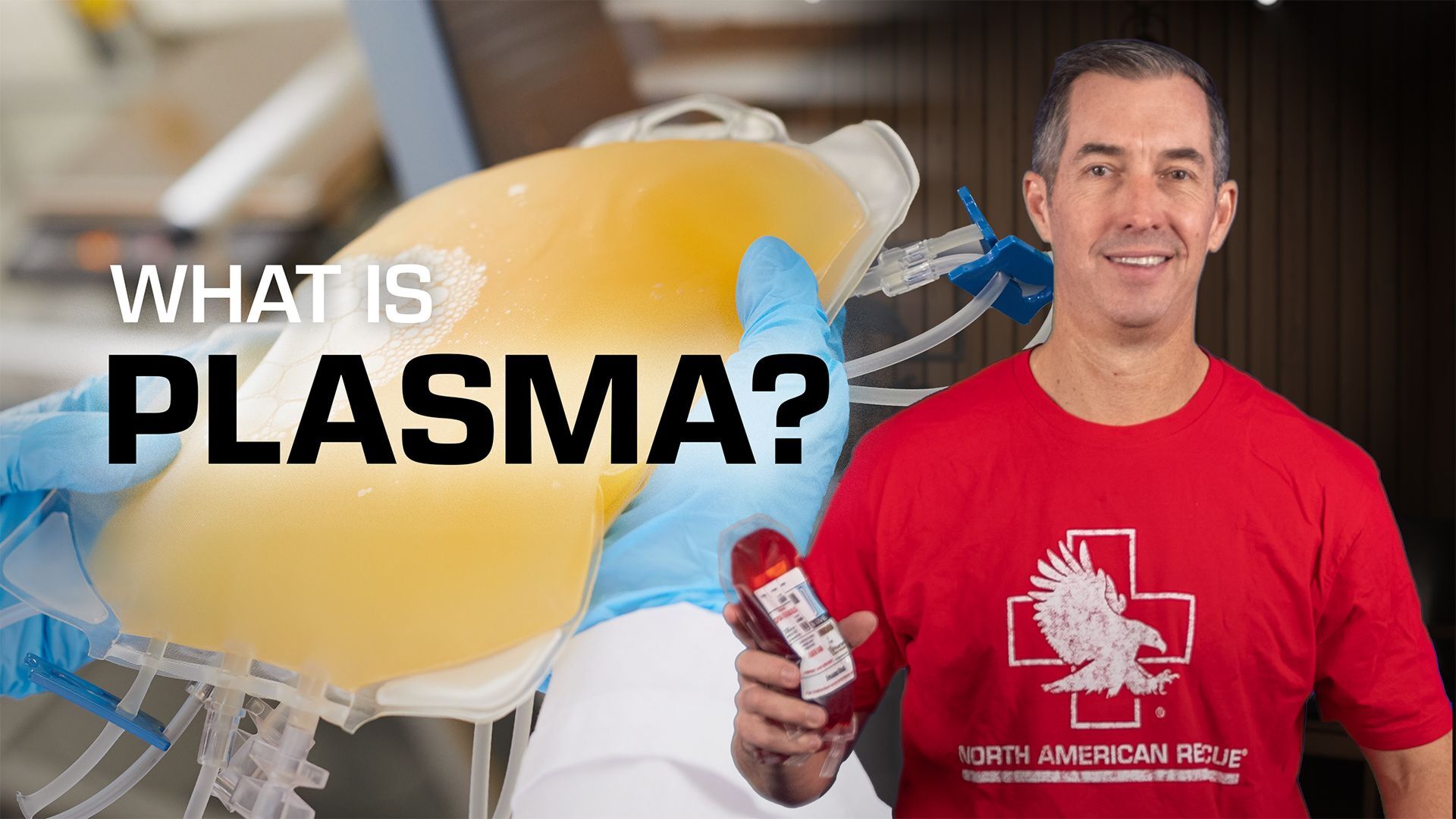
In this episode, North American Rescue's NAR Doc, Dr. Ethan Miles, explains why plasma does far more than replace lost volume. Learn how plasma supports clot formation, protects the vascular system, and why it's becoming an increasingly important blood product in prehospital trauma care.
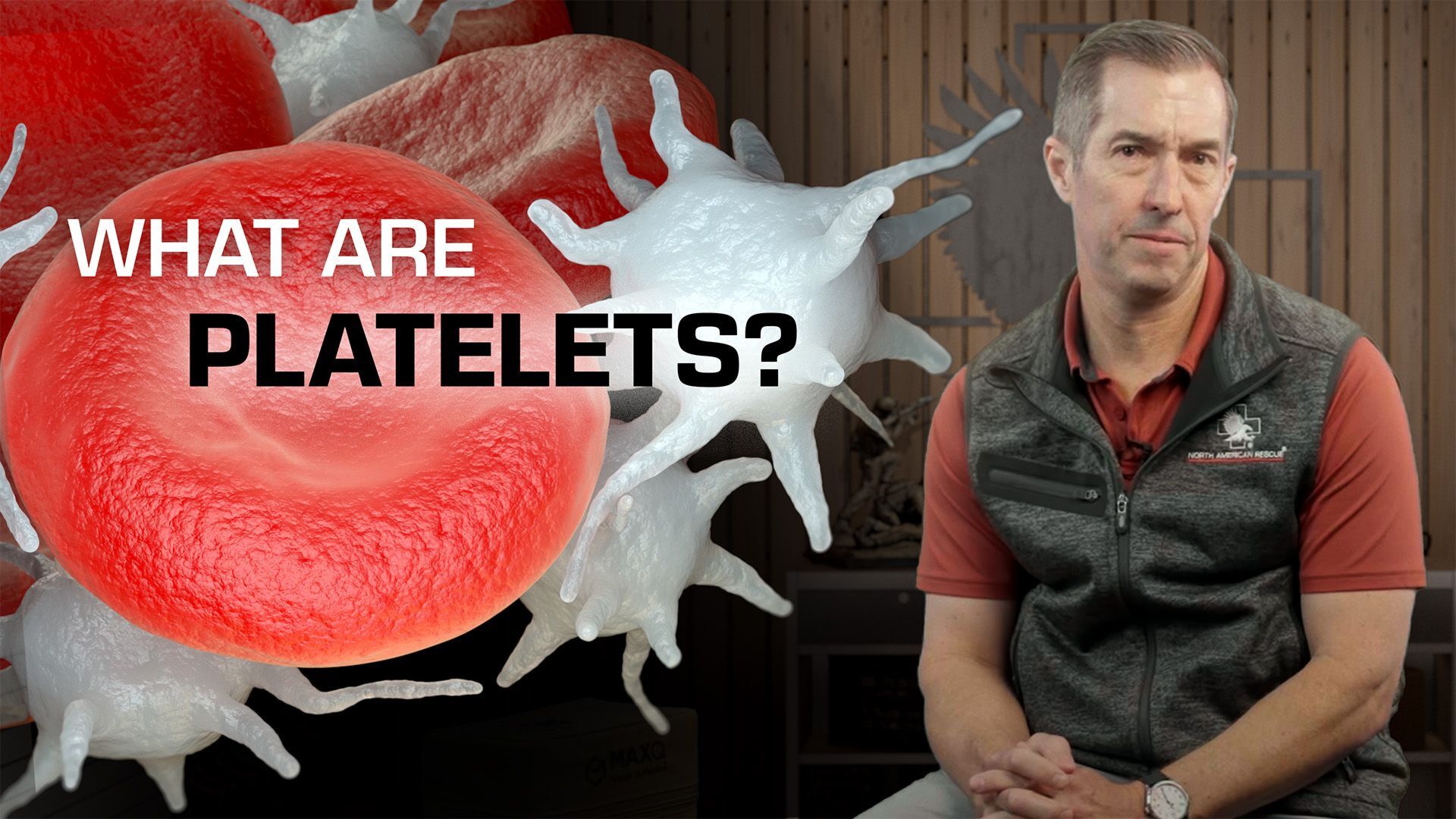
In this episode, North American Rescue’s NAR Doc (Dr. Ethan Miles) explains the critical role platelets play in clot formation and hemorrhage control. Learn how platelets work at the site of a damaged blood vessel, why storage has historically limited their use, and how advances in cold-stored platelets may expand access to this important blood component in the prehospital environment.
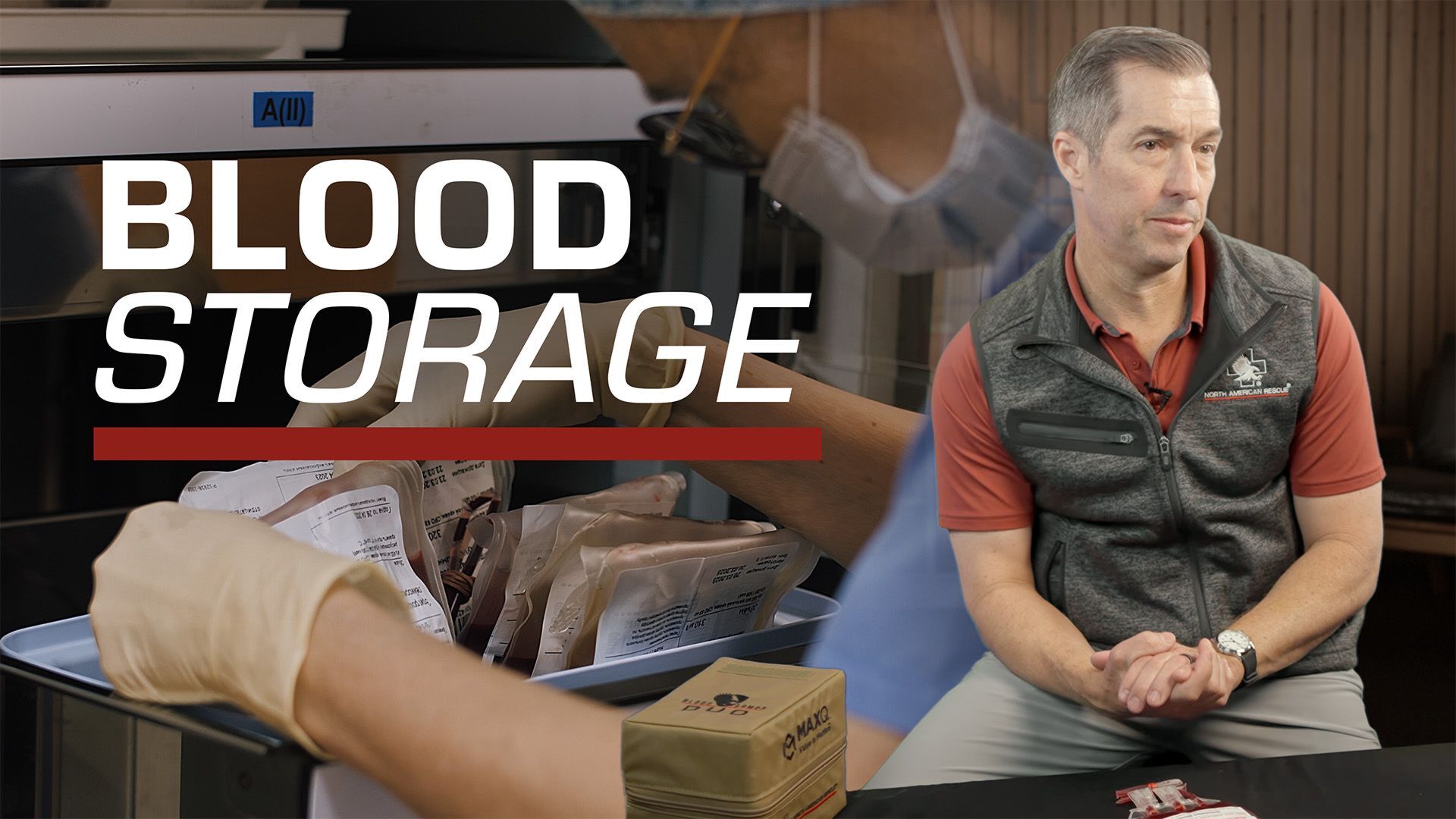
In this episode, North American Rescue’s NAR Doc (Dr. Ethan Miles) explains how red blood cells support oxygen delivery during hemorrhagic shock, how they’re stored for use, and why freshness can impact performance. Learn why red blood cells are a critical part of resuscitation—and what providers should consider when using them in the prehospital setting.
What’s actually inside blood—and why does it matter in prehospital care? In this series, North American Rescue’s NAR Doc (Dr. Ethan Miles) breaks down the key components of blood and how each one plays a role in saving lives.
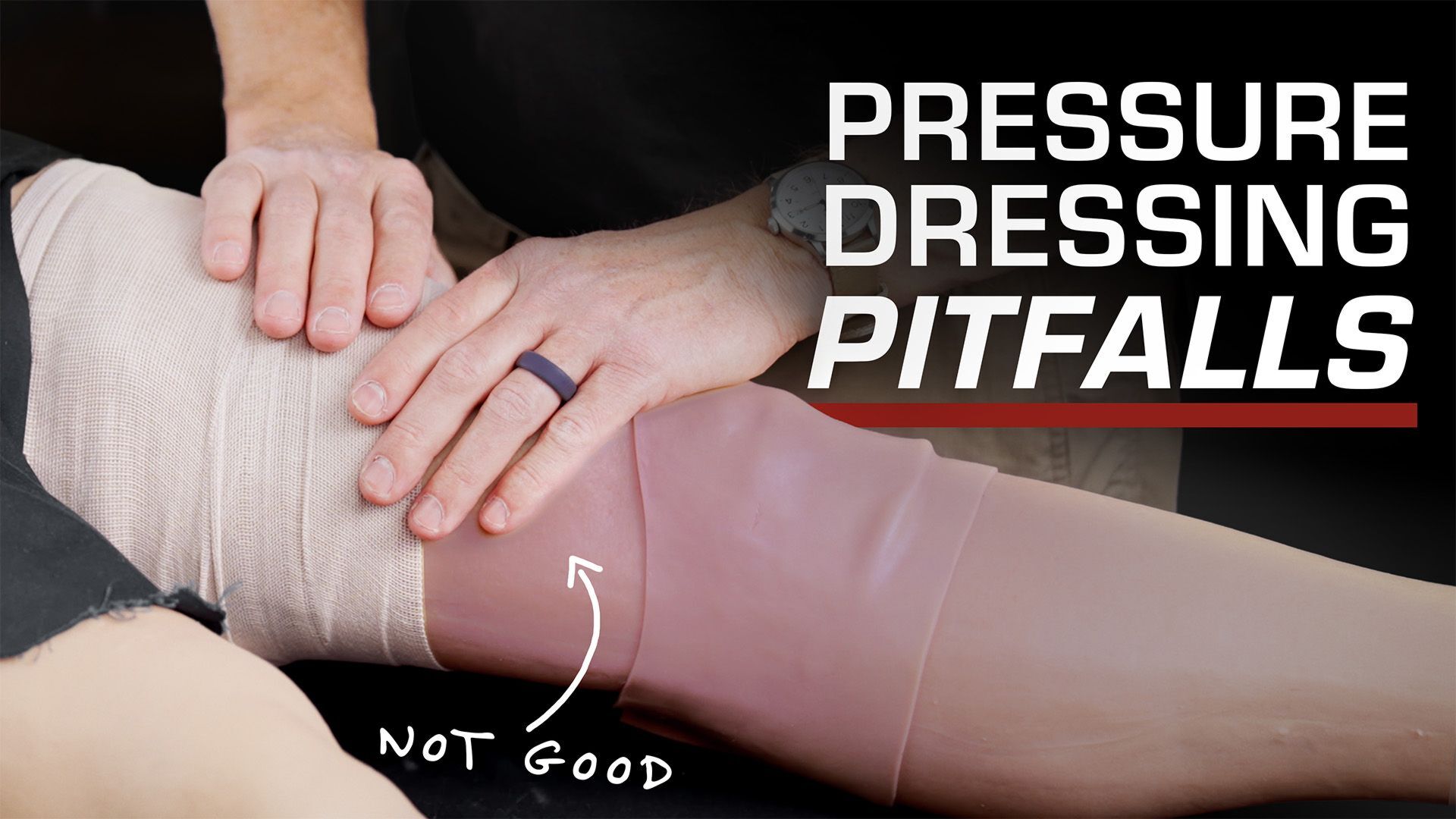
In this video, NAR Doc breaks down how applying a pressure dressing too tightly can cause issues in the extremity. Learn how to recognize these problems and how to quickly address them.
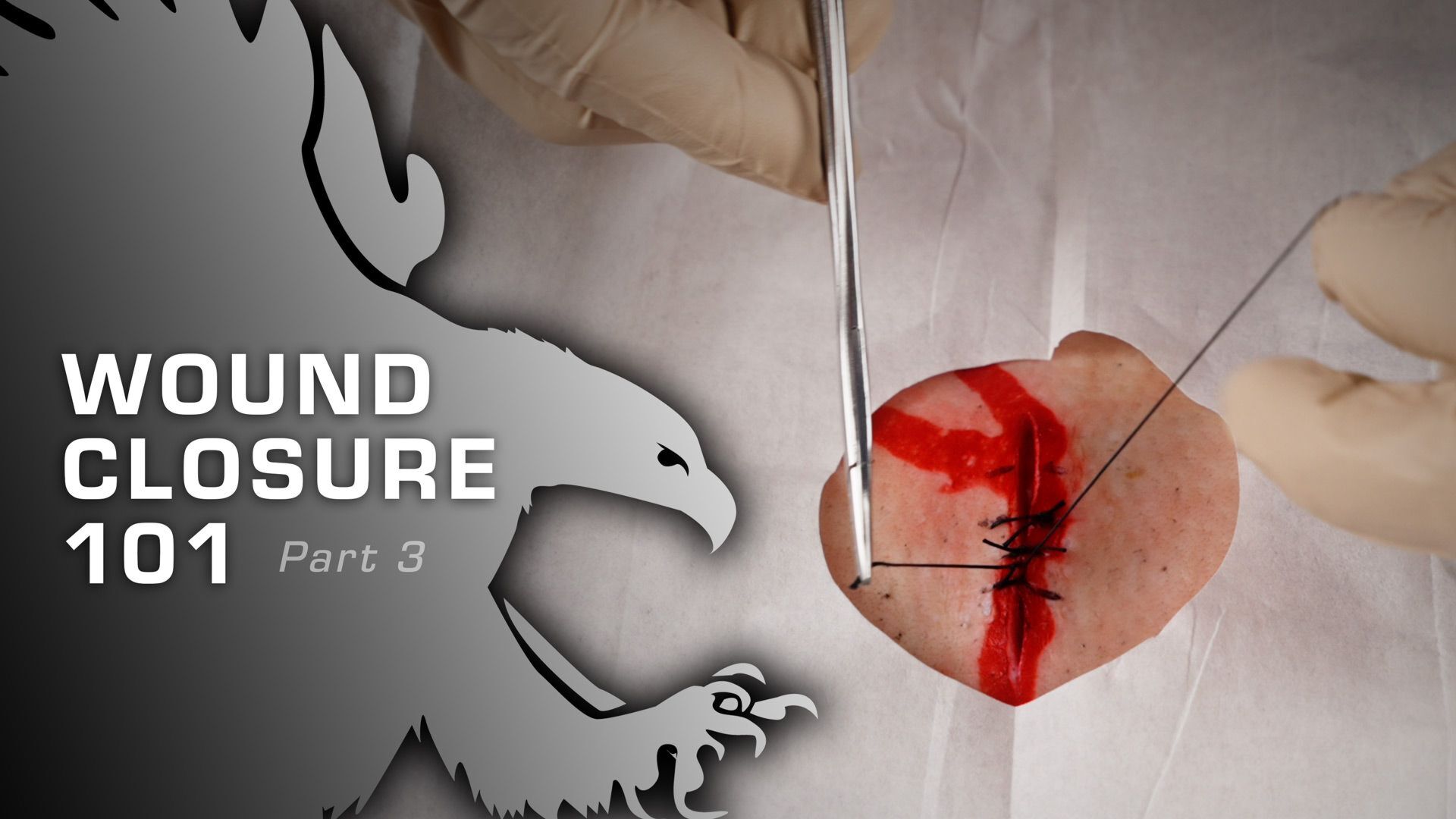
Caring for open wounds when help isn't near can involve critical decisions. Learn how and when to suture a wound with North American Rescue's NAR Doc (Dr. Ethan Miles). In this video, NAR Doc demonstrates how to suture a wound, how to remove sutures, and how long to leave them in. This basic 101 overview gives you an easy-to-understand introduction to making good decisions regarding wound closure.